简体中文
简体中文 Russian
Since 2012 ‑ 200,000 m Ready!
80-200 mm OEM Egg Belt Factory
WhatsApp+86-18053272866
WhatsApp+86-18053272866
In modern poultry farming operations, the egg conveyor belt has become an essential component for efficient, automated egg collection. Whether you operate a small-scale layer farm or a large commercial poultry facility, understanding how egg collection belt systems work—and selecting the right polypropylene egg belt for your specific needs—can significantly impact your productivity and profitability.
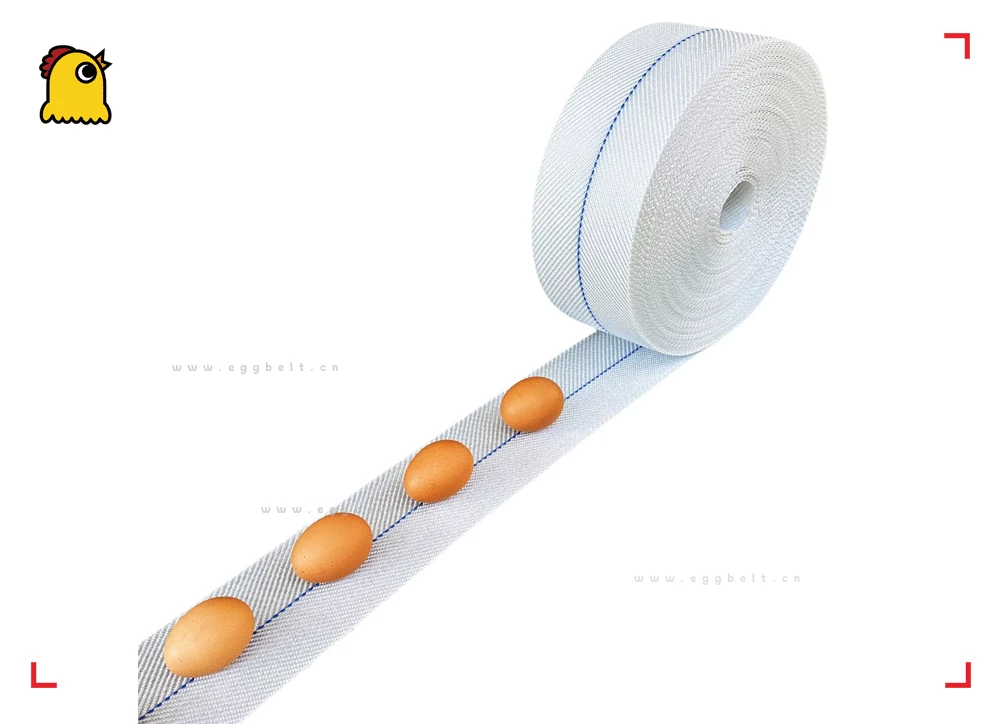
An egg conveyor belt is a specialized conveyor system designed specifically for transporting eggs from laying cages to central collection points. Unlike standard industrial conveyor belts, egg collection belts are engineered with materials and specifications that prioritize gentle handling, hygiene, and food safety.
According to industry standards, these systems typically feature:
Material: High-density pure polypropylene (PP) for food safety and durability
Width: Standard 100mm (4 inches), with custom sizes available from 40mm to 300mm
Thickness: 1.0mm to 1.5mm depending on load requirements
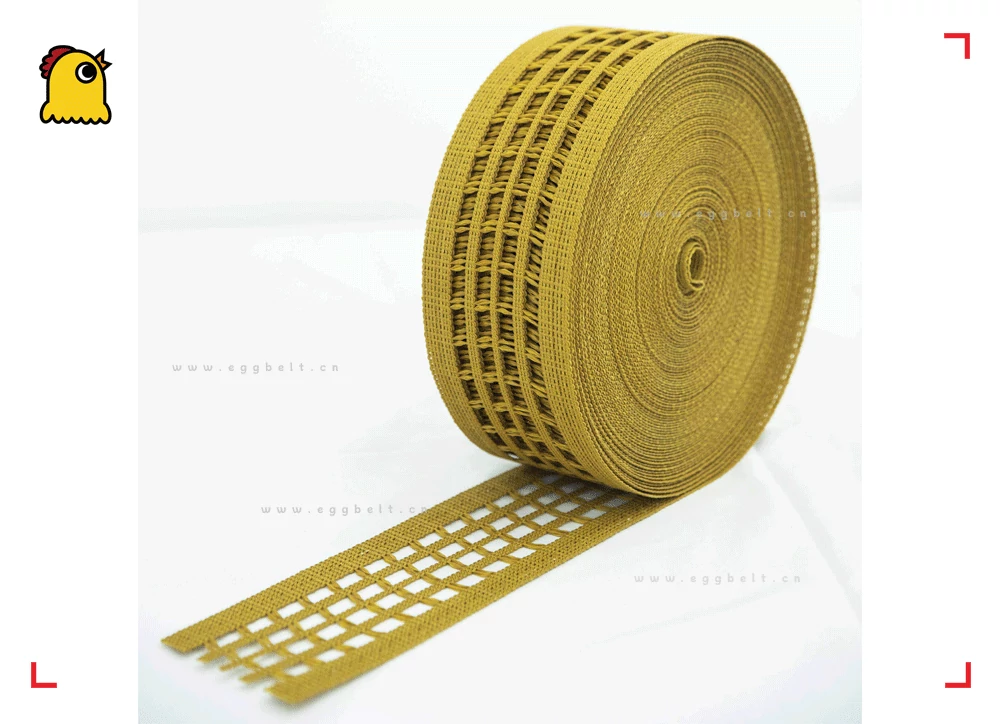
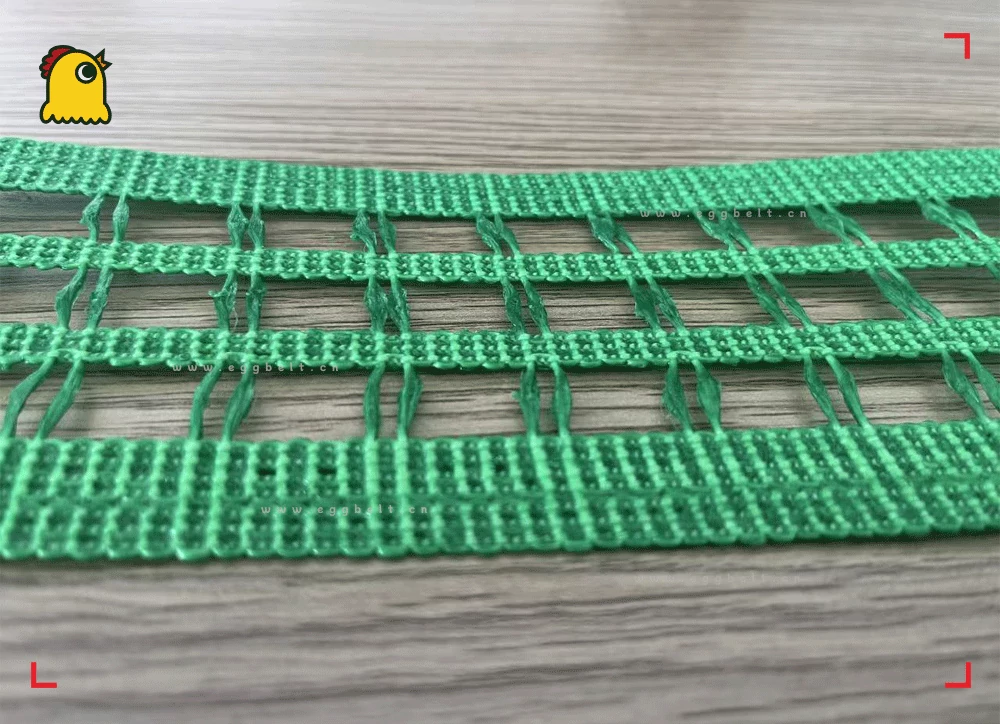
Perforation: Strategically placed holes that allow dust and feathers to fall through while securing eggs in stable positions
The perforated egg belt is the industry standard for modern layer cage systems. The perforations serve dual purposes: they allow debris to fall away from eggs during transport, and they help fix eggs in position to prevent rolling and contact between eggs—key factors in reducing breakage rates.
Key specifications for perforated PP egg belts:
High tensile strength for long-distance transport
UV-resistant additives for 3+ year outdoor lifespan
Operating temperature range: -30°C to 80°C
Corrosion resistance to acids, alkalis, and farm chemicals
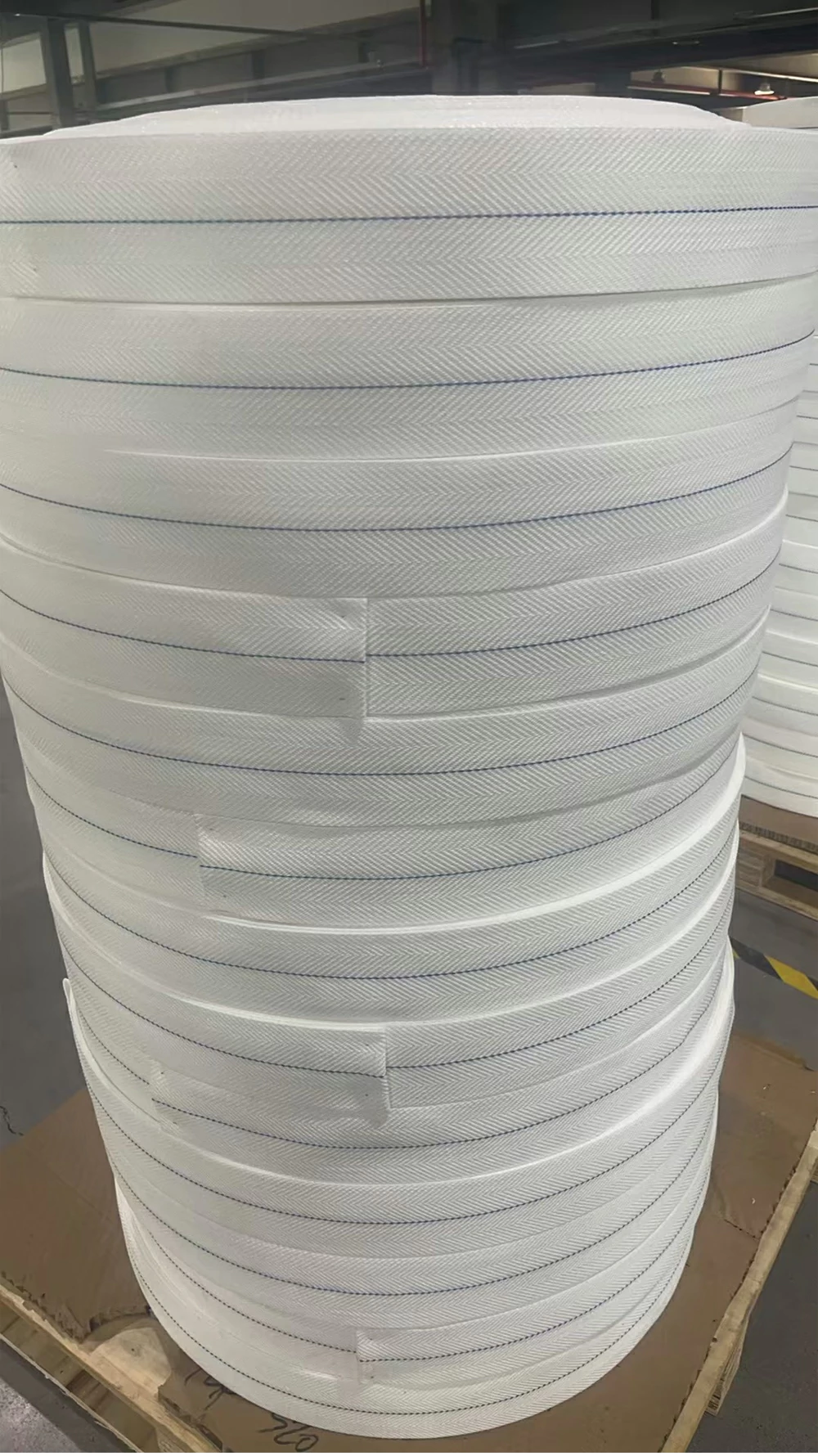
For operations requiring extra durability over long distances, woven egg belts offer superior strength with minimal stretch. These are particularly suitable for large-scale poultry houses where belt lengths exceed 100 meters.
Some operations prefer solid egg transport belts without perforations, particularly in controlled-environment facilities where debris accumulation is minimal. These provide maximum surface contact and are often used in combination with automated egg grading systems.
Modern automatic egg collection systems integrate egg conveyor belts with sophisticated mechanical components to streamline operations:
Traditional manual egg collection requires workers to visit chicken houses multiple times daily. An automatic egg collection system with a reliable chicken egg conveyor belt can process up to 17,000 eggs per hour with minimal human intervention, allowing farm staff to focus on higher-value tasks.
The gentle transport mechanism of a quality egg belt conveyor system—featuring buffering damper lines and smooth roller transitions—significantly reduces egg damage compared to manual handling. Perforated belts further minimize breakage by preventing egg-to-egg contact during transport.
Polypropylene egg belts are inherently food-safe, resistant to bacterial growth, and easy to clean. The perforations allow feathers, dust, and litter to fall through rather than accumulating on the belt surface, maintaining cleaner conditions for egg transport.
Selecting the appropriate poultry egg collection belt requires evaluating several operational factors:
Large commercial farms with high-volume operations require heavy-duty PP egg belts with reinforced edges and high-tensile strength ratings. These systems often integrate with crosswise conveyors and automated packing equipment.
Small to medium operations may opt for standard-duty egg collection belts with simpler installation requirements and lower initial investment.
Ensure your egg conveyor belt matches your cage configuration:
H-type layer cages typically use 100mm width belts
A-type systems may require narrower or specialized belt profiles
Compatibility with existing egg belt clips and tensioning systems
For farms in extreme climates, specify egg transport belts with:
Enhanced UV stabilization for high-sunlight environments
Low-temperature flexibility ratings (down to -50°C for some premium grades)
Chemical resistance profiles matching your cleaning protocols
Maximizing the 8-10 year service life of your polypropylene egg belt requires proper maintenance:
Regular Inspection: Check for wear patterns, edge fraying, and tension consistency weekly
Cleaning Protocol: Use approved sanitizers that won't degrade PP material; avoid abrasive brushes
Tension Adjustment: Maintain manufacturer-specified belt tension to prevent slippage and premature wear
Clip Replacement: Replace egg belt clips promptly when damaged to prevent belt misalignment
Spare Inventory: Keep replacement egg conveyor belt sections on hand to minimize downtime
A chicken egg collection system rarely operates in isolation. Modern farms integrate egg conveyor belts with:
Automatic feeding systems for synchronized operation
Manure removal belts (distinct from egg belts, located beneath cages)
Egg grading and packing machines at the collection terminus
Climate control systems to maintain optimal conditions throughout the transport path
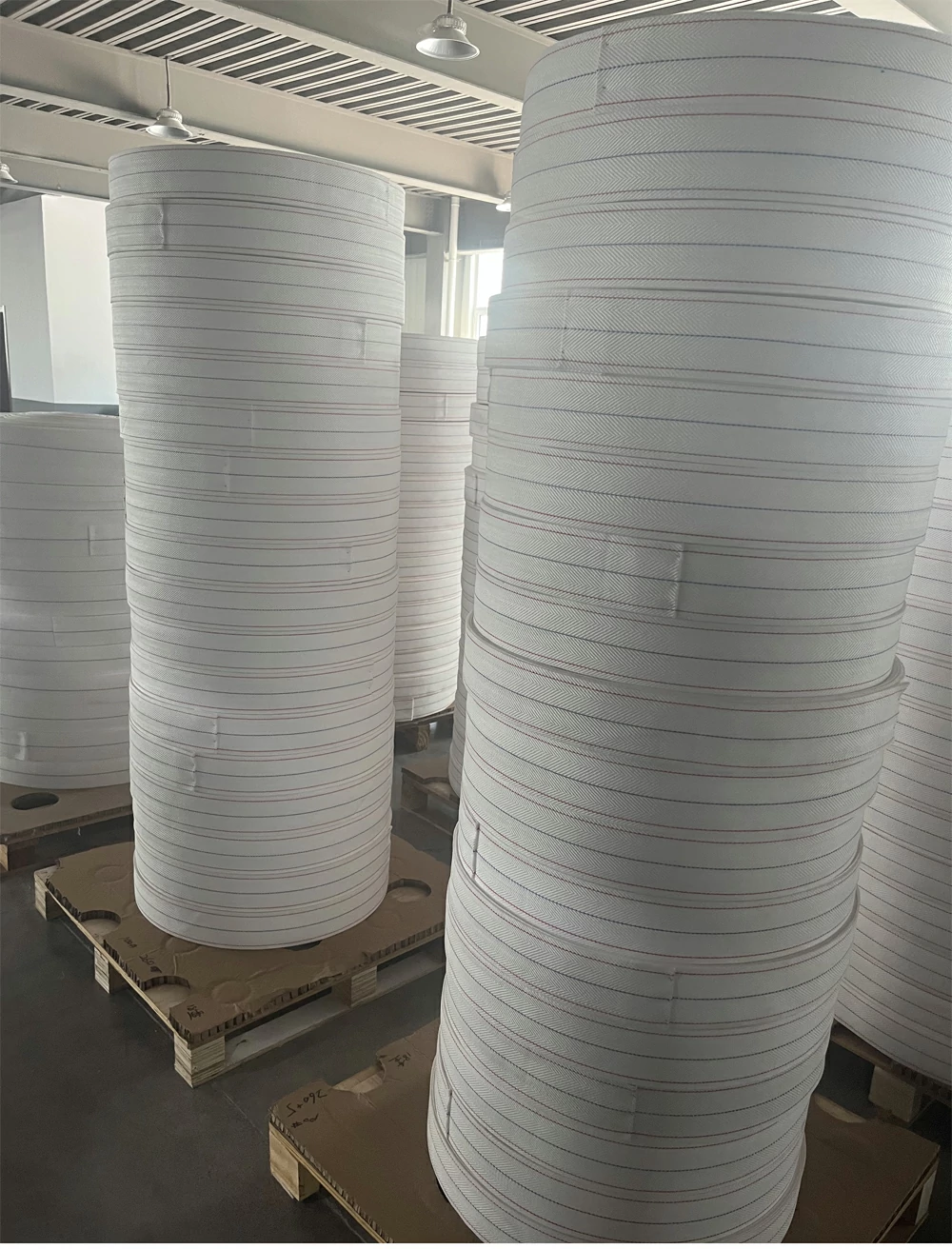
The egg conveyor belt is far more than a simple transport mechanism—it's a critical investment in your poultry operation's efficiency, food safety compliance, and profitability. Whether you need a standard 100mm polypropylene egg belt or a custom-engineered egg collection system, selecting quality materials and proper specifications will deliver measurable returns through reduced labor, lower breakage, and improved hygiene.
For operations seeking to upgrade or expand their automatic egg collection capabilities, understanding these fundamentals ensures you specify equipment that meets both current needs and future growth.
Explore our complete range of poultry equipment solutions, including polypropylene egg belts, manure conveyor systems, and integrated cage equipment designed for modern poultry farming operations.
WhatsApp:+86-18053272866
Contact Person:K2
Email:lvyihuwai@189.cn
Address:ChengYang_QingDao_P.R. China.